Green-Yellow Sapphire: Formation, Market Demand, and Use Cases
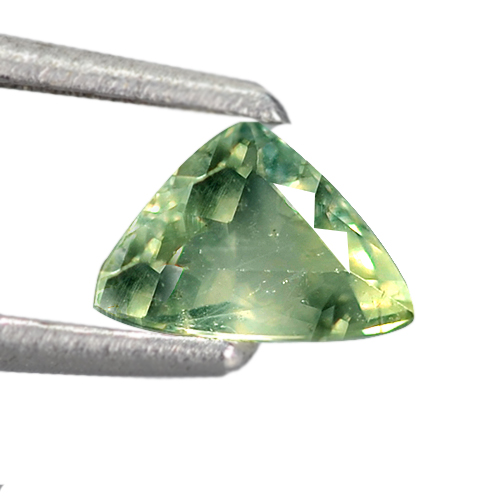
Green-yellow sapphire is a unique colour variety within the sapphire family that shows a mix of green and yellow tones in a single stone. This colour can appear as a blend, a gradient, or even slight zoning where both colours are visible depending on the angle and lighting. It is not as common as pure blue or yellow sapphire, which makes it more interesting to certain buyers.
How Green-Yellow Sapphire Is Formed
This colour forms due to the presence and interaction of trace elements, mainly iron, within the corundum crystal structure. Iron is responsible for both yellow and green tones in sapphire.
When the concentration and distribution of iron vary during crystal growth, it can produce a mix of colours instead of a single dominant hue. If the balance is not strong enough to produce pure yellow or pure green, the result is a combination of both.
In some cases, uneven growth conditions create colour zoning, where different parts of the stone show slightly different colours. This is why some stones may appear more yellow in one light and more green in another.
Heat treatment can sometimes enhance or stabilize these colours, but natural untreated stones with a clean green-yellow mix are less common.
Why People Buy Green-Yellow Sapphire
One of the main reasons buyers choose this colour is uniqueness. It is different from traditional sapphire colours and offers something less common in the market.
The mixed colour gives the stone a dynamic appearance. It can shift between green and yellow depending on lighting and viewing angle, making it visually interesting.
Some buyers prefer it because it is less expensive compared to high-demand colours like deep blue sapphire, while still belonging to the same sapphire family. This makes it an attractive option for those who want a sapphire without paying premium prices.
Collectors may also be interested in these stones because of their unusual colour combination and lower availability compared to standard colours.
Market Position and Value
Green-yellow sapphire sits in a niche segment of the market. It does not have the same universal demand as blue sapphire or even pure yellow sapphire, but it has steady interest among buyers looking for something different.
Value depends heavily on how clean and balanced the colour is. Stones with a pleasing mix of green and yellow, good clarity, and proper cutting are more desirable.
If the colour appears muddy, too dark, or uneven, the value decreases. A bright, lively mix with good transparency will always be more attractive in the market.
Use Cases in Jewelry
Green-yellow sapphire is commonly used in rings, pendants, and custom jewelry designs. Its unique colour makes it suitable for statement pieces where the goal is to stand out.
It works well in both gold and silver settings. In yellow or rose gold, the yellow tones are enhanced, while in white metals, the green tones can appear more prominent.
Designers often use this gemstone in modern or custom jewelry because it offers a non-traditional look compared to classic sapphire colours.
Buyer Preference and Appeal
Buyers who choose green-yellow sapphire are usually looking for individuality rather than tradition. It appeals to those who want a gemstone that is not commonly seen.
Its colour variation also makes each stone slightly unique, adding to its appeal. No two stones look exactly the same, which increases its attractiveness for certain buyers.
Conclusion
Green-yellow sapphire is formed due to the presence and variation of iron within the crystal, creating a mix of green and yellow tones. Its rarity compared to standard colours makes it unique, though it remains a niche choice in the market.
People buy it for its distinctive appearance, affordability compared to premium sapphire colours, and versatility in jewelry. Its use cases are mainly in custom and statement pieces where uniqueness and colour variation are valued.
← Back