Sapphire With Inclusions: Why Some Collectors Prefer Them
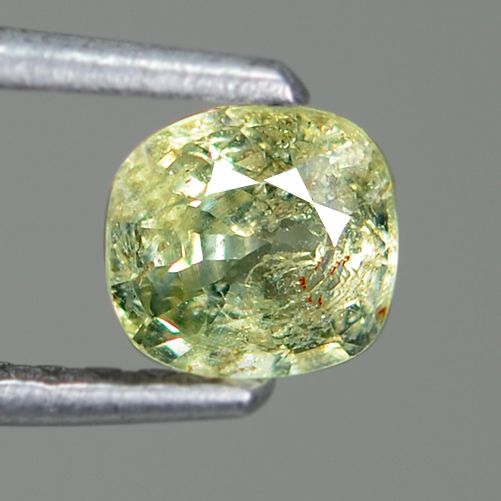
Sapphires with inclusions are often misunderstood in the market, as many buyers associate inclusions with lower quality. However, among experienced collectors and gemstone enthusiasts, inclusions can actually increase a sapphire’s appeal. This is because inclusions are natural features formed inside the stone during its growth, making each sapphire completely unique.
No two sapphires can ever have identical inclusions. The internal patterns, shapes, and formations are created naturally over time, and it is technically impossible for two different stones to match exactly. This gives every sapphire its own identity.
Inclusions as a Natural Signature
Inclusions act as a natural signature of the gemstone. Just like a fingerprint, they make each sapphire one of a kind. These internal characteristics tell the story of how the stone was formed deep within the earth.
Collectors value this uniqueness because it proves that the gemstone is natural and not artificially created. A sapphire with distinctive inclusions carries authenticity that cannot be replicated.
Types of Inclusions That Add Character
Not all inclusions are considered negative. Some inclusions actually enhance the beauty of the sapphire.
Fine needle-like inclusions, silk patterns, or subtle internal textures can create a soft glow or unique visual effect inside the stone. In certain cases, inclusions can even contribute to special phenomena, adding depth and interest to the gemstone.
Collectors often look for inclusions that are visually interesting rather than those that reduce transparency or durability.
Why Collectors Prefer Included Sapphires
Collectors prefer sapphires with inclusions because they offer individuality. In a market where many gemstones can appear similar on the surface, inclusions make a stone stand out.
A completely clean sapphire may look perfect, but it can also appear generic. In contrast, a sapphire with unique inclusions feels more natural and distinctive.
For collectors, owning something rare and unrepeatable is more valuable than owning something flawless but common.
Rarity of Unique Inclusion Patterns
While inclusions themselves are common in gemstones, finding a sapphire with a unique and visually appealing inclusion pattern is rare. The exact arrangement, density, and type of inclusions vary from stone to stone.
This randomness is what creates rarity. Since nature cannot reproduce the same internal pattern twice, each included sapphire becomes a unique piece.
Balance Between Beauty and Character
Collectors usually look for a balance. They prefer inclusions that add character without heavily affecting the overall appearance of the stone.
If inclusions are too heavy or make the sapphire look cloudy, the value may decrease. However, if they are well-placed and visually interesting, they can enhance the stone’s appeal.
Market Perspective
In the commercial market, cleaner stones are often priced higher because they appeal to a broader audience. However, in collector circles, uniqueness can sometimes outweigh clarity.
Certain sapphires with distinctive inclusions can attract niche buyers who specifically look for natural character rather than perfection.
Conclusion
Sapphires with inclusions are valued by collectors because they are unique, natural, and impossible to replicate. Each inclusion pattern acts as a fingerprint, giving the gemstone its own identity.
While clarity is important in general markets, collectors often appreciate the individuality and authenticity that inclusions bring. A sapphire with the right type of inclusions becomes more than just a gemstone — it becomes a one-of-a-kind natural creation.
← Back