Silver Colour Sapphire: Formation, Rarity, and Collector Value
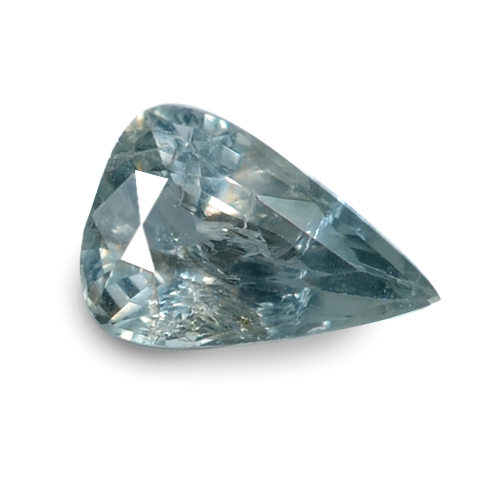
Silver colour sapphire is one of the most unusual and extremely rare varieties found in the sapphire family. It displays a unique grey to metallic silver appearance, often with a soft sheen that can look almost like polished metal under certain lighting. This distinct look separates it completely from traditional sapphire colours and makes it highly desirable among collectors.
How Silver Colour Sapphire Is Formed
Silver or grey sapphire forms under very specific geological conditions within the corundum mineral family. The colour is primarily influenced by trace elements such as iron and the absence of strong colour-causing elements like chromium or titanium.
In most sapphires, the presence of titanium and iron creates the classic blue colour. However, when these elements are present in different proportions, or when iron dominates without strong colour interaction, the result can be a neutral grey or silver tone.
Additionally, microscopic inclusions and light reflection inside the stone can enhance the metallic or silvery appearance. These internal structures scatter light in a way that produces a soft, muted glow rather than a bright or vivid colour.
Why Silver Sapphire Is Extremely Rare
Silver sapphire is rare because the exact balance of elements required to produce this colour occurs very infrequently in nature. Most corundum crystals naturally form in blue, yellow, or other more common colours.
To achieve a clean silver or grey tone without unwanted brown, green, or dull hues is difficult. Many grey sapphires exist, but only a small percentage have the refined, attractive silver-like appearance that collectors seek.
High-quality silver sapphires must have:
Even, consistent colour
Good clarity without heavy inclusions
A clean metallic or soft grey tone
Finding all these qualities in one stone is extremely uncommon, which increases its rarity.
Visual Appeal and Unique Characteristics
The appeal of silver sapphire comes from its understated and sophisticated look. Unlike bright gemstones, it does not rely on strong colour intensity. Instead, it offers a subtle, modern aesthetic.
The metallic-like sheen gives it a unique identity that is different from traditional gemstones. In certain lighting, it can appear almost reflective, adding to its visual interest.
This makes it especially attractive for buyers who prefer something rare and unconventional rather than standard bright colours.
Why Collectors Value Silver Sapphire
Collectors are drawn to silver sapphire because of its rarity and uniqueness. It is not commonly available in the market, and many buyers are not even aware of its existence.
For collectors, rarity is one of the most important factors. A gemstone that is difficult to find and not widely commercialized holds greater long-term interest.
Silver sapphire also stands out in a collection because it offers a completely different appearance compared to more common gemstones. Its neutral tone allows it to be appreciated for its subtle beauty rather than bold colour.
Market Demand and Pricing
While silver sapphire is extremely rare, its market demand is more niche compared to blue sapphire. This means prices can vary depending on buyer awareness and appreciation.
High-quality silver sapphires with strong visual appeal and good clarity can command premium prices among collectors. However, because it is not mass-market popular, it does not always reach the same price levels as top blue sapphires.
Its value is driven more by rarity and uniqueness rather than widespread demand.
Source Locations
Silver and grey sapphires are found in limited quantities in regions such as Sri Lanka, Madagascar, and parts of Africa. However, true silver-toned stones with high quality are very rare even in these sources.
Each location may produce slightly different shades, but finding a gemstone with a clean silver appearance remains uncommon.
Conclusion
Silver colour sapphire is one of the rarest and most unique sapphire varieties. Its formation depends on specific elemental conditions that produce a soft grey to metallic silver tone.
Its rarity, combined with its distinctive appearance, makes it highly valued by collectors. While it may not have the mass demand of blue sapphire, its uniqueness and scarcity give it a special place in the gemstone market.
← Back