why chrysoberyl cut gemstones command premium prices in 2026.
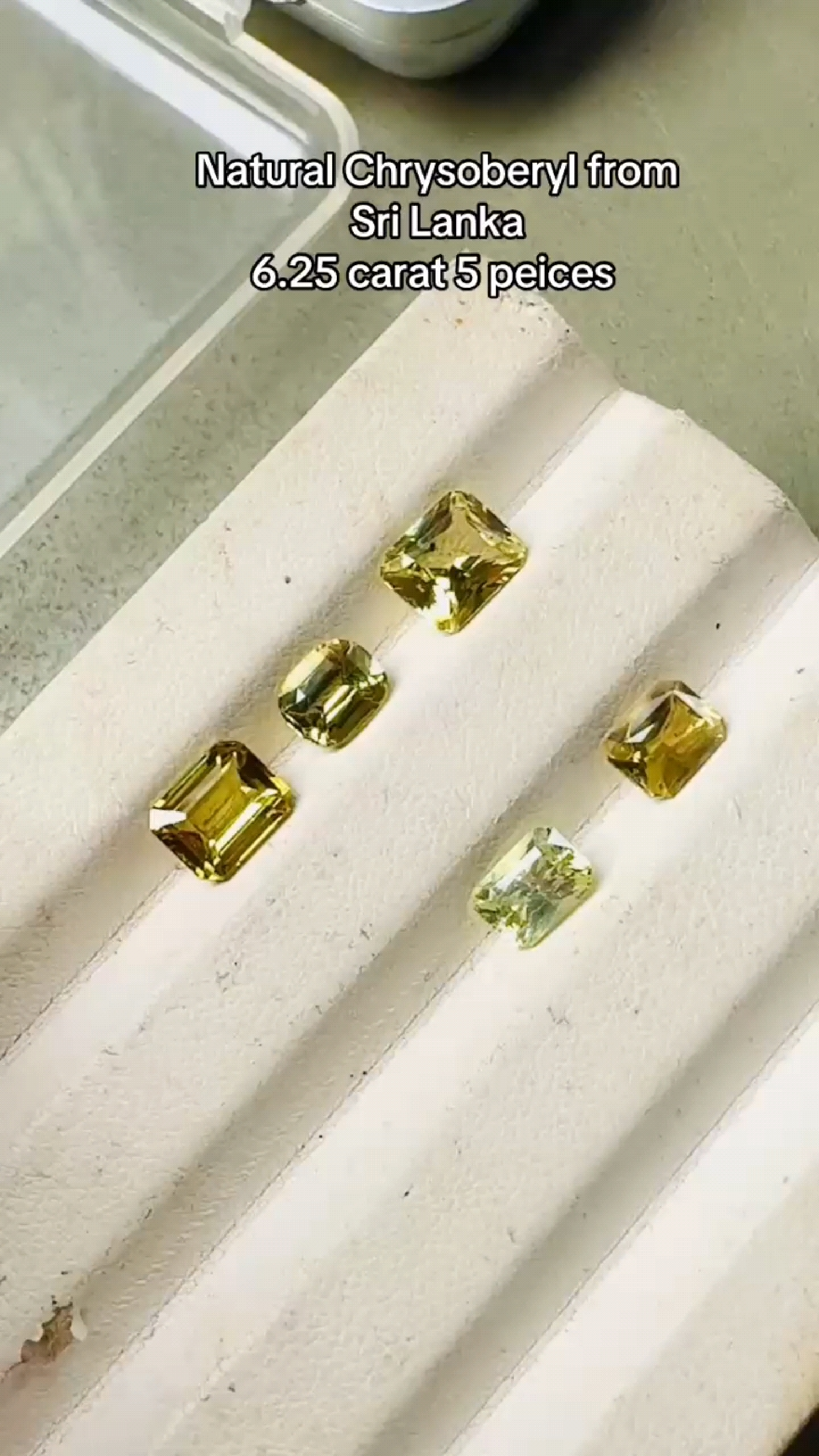
Explore the stunning yellow chrysoberyl color, faceted chrysoberyl brilliance, and why US and European buyers choose these rare gems for unmatched beauty and uniqueness in luxury jewelry. Expert guide with value factors and buying tips.
Chrysoberyl cut gemstones stand out in the competitive world of fine jewelry as one of the most sought-after options for discerning collectors and buyers across the USA and Europe. With their exceptional hardness, brilliant luster, and rare yellow chrysoberyl hues, these faceted chrysoberyl stones deliver both timeless beauty and strong investment appeal. In 2026, the demand for chrysoberyl gemstones continues to rise as more people discover the unique qualities that set yellow faceted chrysoberyl apart from more common yellow gems like citrine or topaz.
This comprehensive guide explores exactly why chrysoberyl cut gemstones hold such high value, focusing on the enchanting yellow color that draws buyers in and the faceted cuts that maximize their natural brilliance and uniqueness. Whether you’re shopping for a statement ring, pendant, or earrings, understanding these factors helps you make confident, informed choices in the US and European markets.
The Exceptional Properties That Make Chrysoberyl Cut Gemstones Rare and Valuable
Chrysoberyl gemstones rank among the hardest natural minerals on Earth, scoring 8.5 on the Mohs scale—third only after diamond and corundum. This superior durability means chrysoberyl cut gemstones resist scratches, chipping, and everyday wear far better than softer yellow stones, making them ideal for heirloom jewelry passed down through generations. US and European buyers particularly value this toughness for active lifestyles and high-end pieces that must withstand daily use without losing their sparkle.
Beyond hardness, chrysoberyl possesses a high refractive index and strong dispersion, creating exceptional fire and brilliance when expertly faceted. Unlike many other gems, faceted chrysoberyl displays a crisp, clean clarity that enhances light performance dramatically. These optical properties contribute directly to the high value of chrysoberyl cut gemstones, as cutters can achieve mirror-like polish and vivid color saturation that few other yellow gems match.
Rarity plays a central role in pricing. Chrysoberyl forms in limited geological environments and is mined primarily in Brazil, Sri Lanka, Madagascar, and parts of East Africa. High-quality material suitable for faceting remains scarce, driving up prices for superior specimens. In 2026, transparent yellow chrysoberyl with minimal inclusions commands $50 to $400 per carat for standard high-quality stones, while saturated honey-yellow or golden examples can reach $700 to $1,000 per carat or more in larger sizes. This scarcity, combined with growing collector interest, positions faceted chrysoberyl as a smart long-term investment compared to more abundant alternatives.
The Yellow Chrysoberyl Color: Why It Captivates Buyers
The signature yellow color of chrysoberyl gemstones is one of the primary reasons many people choose faceted chrysoberyl for its beauty and uniqueness. Ranging from bright lemon-yellow to rich honey-gold and subtly greenish-yellow tones, this hue offers a warm, radiant glow that feels both luxurious and approachable. Unlike the overly bright yellow of citrine or the pale tones of some topaz, yellow chrysoberyl delivers a sophisticated depth and subtle neon-like vibrancy that jewelry experts describe as truly distinctive.
In 2026, US and European shoppers increasingly seek yellow chrysoberyl for its symbolic associations with wealth, joy, energy, and confidence. Ancient traditions linked yellow chrysoberyl to prosperity and protection, beliefs that still resonate today in modern luxury jewelry. The color’s versatility makes it perfect for both everyday wear and special occasions—pairing elegantly with white gold or platinum settings popular in New York, London, and Paris boutiques.
What truly sets the yellow color apart is its uniqueness in the gem world. While many yellow gems flood the market, high-quality yellow chrysoberyl remains comparatively rare, creating an exclusive appeal. Buyers report feeling a personal connection to the stone’s warm glow, which seems to capture sunlight and radiate positivity. This emotional draw, combined with the gem’s natural beauty, explains why faceted chrysoberyl in yellow shades has seen rising demand in ethical and sustainable jewelry collections across Europe and the United States.
Faceted Chrysoberyl Cuts: Maximizing Beauty and Value
The decision to cut chrysoberyl gemstones into faceted forms rather than cabochons unlocks their full potential for brilliance and value. Expert cutters choose precise shapes—such as ovals, rounds, cushions, and radiant cuts—to highlight the stone’s superior dispersion and refractive qualities. These faceted chrysoberyl designs create intense sparkle and light return that cabochon cuts simply cannot achieve, making each piece a wearable work of art.
Faceted cuts also emphasize the yellow chrysoberyl color’s depth and saturation. A well-proportioned faceted chrysoberyl stone appears more vivid and lively under different lighting conditions, from natural daylight to evening candlelight. This versatility adds to the gem’s high value, as buyers in the USA and Europe appreciate jewelry that transitions seamlessly from boardroom to ballroom.
Cut quality directly impacts pricing. Stones with excellent symmetry, polish, and proportions command significantly higher values because they maximize the unique optical performance inherent to chrysoberyl. In 2026, top-tier faceted yellow chrysoberyl continues to outperform many other colored gems in resale markets due to this enduring cut-driven beauty.
Why People Are Choosing Faceted Chrysoberyl Gemstones for Beauty and Uniqueness in 2026.
Across the United States and Europe, more jewelry enthusiasts are turning to chrysoberyl cut gemstones precisely because of their standout beauty and undeniable uniqueness. In a market saturated with lab-grown and common colored stones, natural faceted chrysoberyl offers something refreshingly authentic. Its yellow color provides a fresh alternative to traditional diamonds or sapphires, while the gem’s rarity ensures your piece remains one-of-a-kind.
Buyers cite several compelling reasons for choosing yellow faceted chrysoberyl: Timeless Elegance with Modern Appeal: The warm yellow tones complement both minimalist and statement designs trending in 2026. - Superior Durability for Everyday Luxury: Ideal for rings, earrings, and necklaces that see frequent wear. - Ethical and Sustainable Options: Many suppliers now offer traceable chrysoberyl from responsible mines, aligning with growing consumer demand for conscious luxury. - **Investment Potential: Limited supply and consistent demand support strong value retention over time. - Personal Expression: The unique golden-yellow hue allows wearers to express individuality without following fleeting trends.
Styling tips popular among US and European clients include pairing faceted chrysoberyl with neutral wardrobes for a pop of warmth or mixing it with complementary gems like diamonds for contrast. Whether set in yellow gold for a harmonious look or white metals for dramatic effect, these stones elevate any collection.
Understanding Chrysoberyl Value Factors for Smart Buying
Several key factors determine the high value of chrysoberyl cut gemstones in today’s market. Color intensity leads the list—vivid honey-yellow or pure golden-yellow specimens outperform pale examples. Clarity follows closely; eye-clean stones with minimal inclusions fetch premium prices because they showcase the gem’s natural transparency and brilliance.
Carat weight also matters. While smaller faceted chrysoberyl stones (1–3 carats) remain accessible, larger examples over 5 carats grow exponentially rarer and more valuable. Origin influences pricing too, with material from Sri Lanka and Brazil often preferred for their consistent quality.
Certification from reputable labs such as GIA or AGS adds trust and resale value, especially important for buyers in regulated markets like the EU and USA. In 2026, blockchain-traced and ethically sourced chrysoberyl commands even higher interest among conscious consumers seeking transparency.
Comparison: Yellow Faceted Chrysoberyl vs Other Popular Yellow Gems
When evaluating options, faceted chrysoberyl consistently outperforms alternatives in durability and uniqueness. Compared to citrine, chrysoberyl offers far greater hardness and a more refined, less “commercial” yellow tone. Against yellow sapphire, chrysoberyl provides better brilliance at more accessible price points for mid-range budgets. Even versus heliodor or golden beryl, the distinct crystal structure of chrysoberyl yields superior light performance in faceted form.
This comparative edge explains why many US and European buyers who once considered only traditional gems now actively seek out yellow chrysoberyl for its balanced combination of beauty, rarity, and value.
Caring for Your Chrysoberyl Cut Gemstones
Proper care preserves the beauty and value of faceted chrysoberyl. Clean with mild soap and warm water or a soft brush—avoid harsh chemicals or ultrasonic cleaners that could affect settings. Store separately from harder gems to prevent accidental scratches on other pieces, though chrysoberyl’s own toughness protects it well. Regular professional inspections ensure prongs and settings remain secure, maintaining the stone’s safety and sparkle for decades.
Where to Buy High-Value Chrysoberyl Cut Gemstones in the USA and Europe
Reputable sources include specialized gem dealers in New York’s Diamond District, London’s Hatton Garden, and Paris’s Place Vendôme, as well as trusted online platforms offering certified, ethically sourced stones with global shipping and return policies. Look for sellers providing detailed grading reports, high-resolution images under multiple lights, and transparent pricing. In 2026, virtual consultations and augmented-reality try-on tools make it easier than ever to select the perfect yellow faceted chrysoberyl from anywhere.
Frequently Asked Questions About Chrysoberyl Cut Gemstones
Q: Why are chrysoberyl cut gemstones considered high value compared to other yellow gems? A: Their extreme hardness, rarity, and exceptional brilliance in faceted form set them apart, combined with a unique yellow chrysoberyl color that feels both luxurious and distinctive.
Q: Is the yellow color of chrysoberyl natural and stable? A: Yes, the warm yellow to golden hues are completely natural and highly stable, resisting fading even under prolonged light exposure.
Q: Are faceted chrysoberyl gemstones a good investment in 2026?
A: Absolutely—limited supply and rising collector demand support excellent value retention, especially for well-cut, certified stones.
Q: How does faceted chrysoberyl compare to cat’s eye or alexandrite varieties? A: While those phenomenal varieties command higher prices due to optical effects, standard yellow faceted chrysoberyl offers comparable beauty at more accessible price points with its own unique appeal.
Q: What makes yellow chrysoberyl suitable for everyday jewelry?** A: Its 8.5 hardness rating and brilliant faceted cuts ensure it withstands daily wear while maintaining exceptional sparkle and color vibrancy.
Conclusion: Embrace the Timeless Value of Yellow Faceted Chrysoberyl**
Chrysoberyl cut gemstones deliver unmatched high value through their rare combination of extreme durability, brilliant faceted performance, and captivating yellow color. In 2026, more buyers across the USA and Europe are choosing faceted chrysoberyl precisely for its beauty and uniqueness—qualities that elevate any jewelry collection while offering lasting investment potential.
Whether you seek a standout solitaire ring or a versatile pendant, investing in yellow chrysoberyl means choosing a gem that will continue to impress for generations. Explore certified options today and experience firsthand why these extraordinary stones continue to captivate the world of fine jewelry.
← Back